A California dreamer: Where a scientist meets the sand
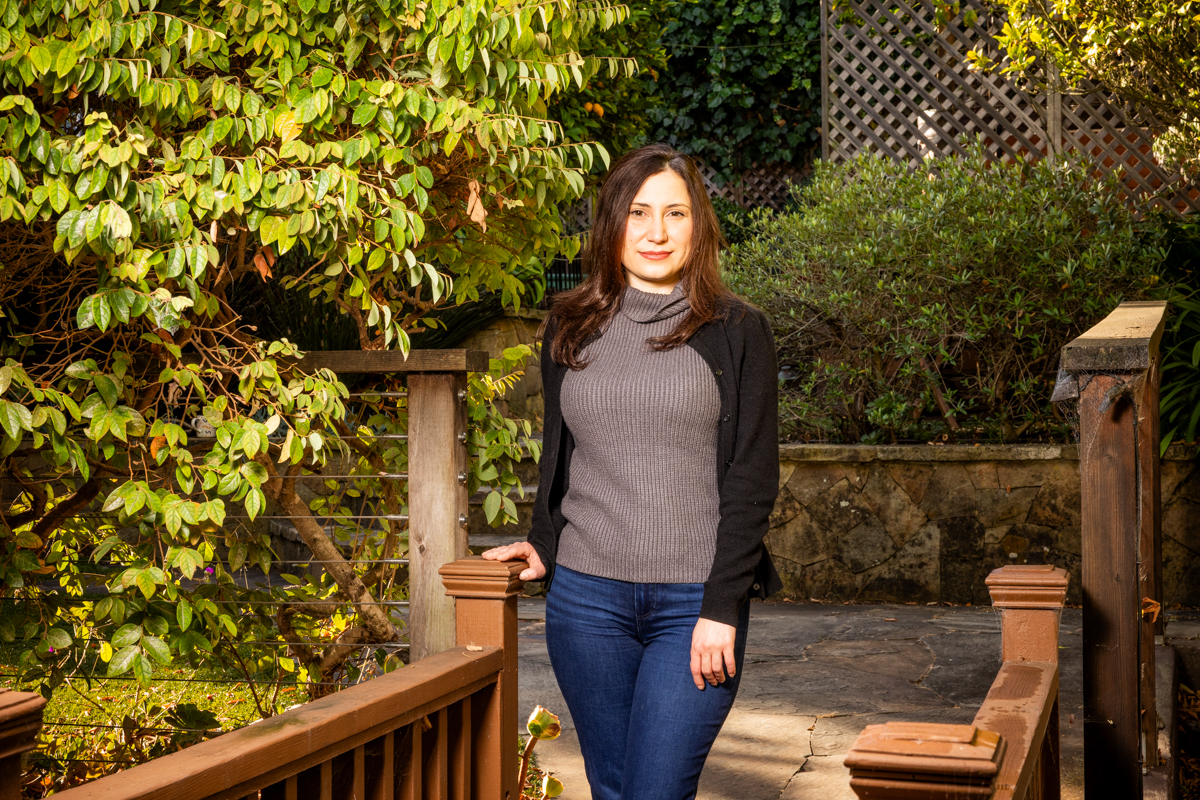
Meredith Klashman, AB ’16
By Virginia Bunker
As a first-year resident rotating between three hospitals in San Francisco, Meredith Klashman, AB ’16, admits that juggling a heavy caseload is challenging. She credits her education for teaching her how to stay focused on patients, balancing medical and scientific inquiry with empathy. Klashman has always felt the push-pull between the world of research and the day-to-day satisfactions of hands-on care. Both, she says, offer meaningful opportunities for public health advocacy.
As an undergraduate at WashU, Klashman double-majored in biology and Spanish literature with a minor in anthropology. The interdisciplinary curriculum gave her a strong foundation, she says, while projects at WashU Medicine ignited her love of science. “WashU gave me a lot of early opportunities to delve into research and participate in the scientific process,” she recalls. “I still reflect on those resources and stay connected to my WashU mentors.”
“My time at WashU helped me synthesize so many different skills, and that influences my approach today. It is bedside manner meets hard data — a synthesis that is critical to all work in public health.”
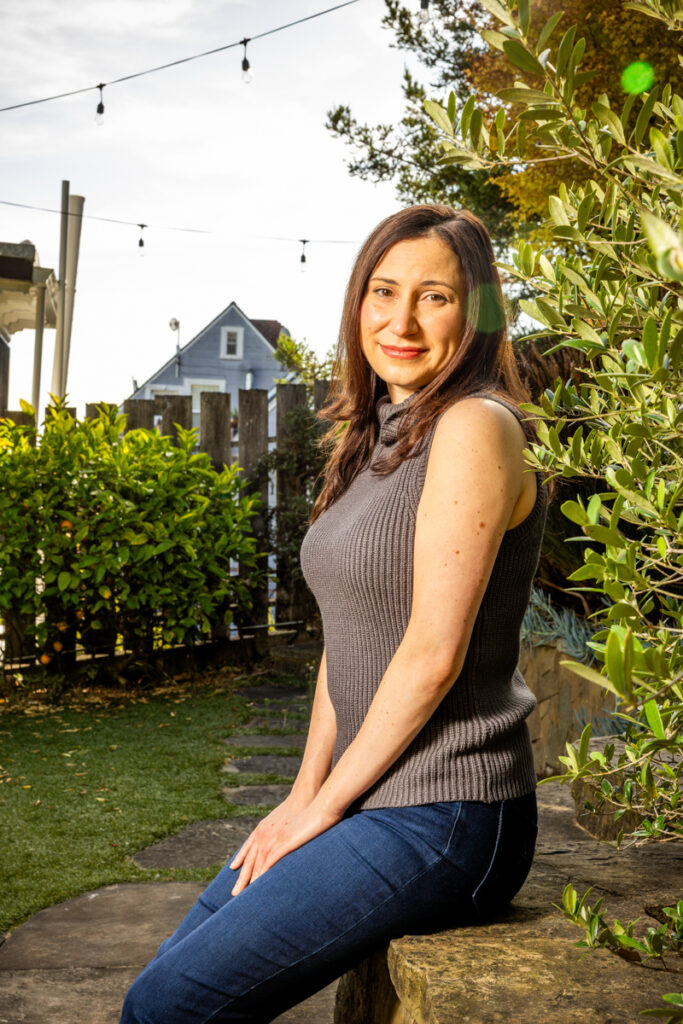
Meredith Klashman, first-year resident at UCSF
Klashman’s passion for public health grew out of her involvement in student groups — none more formative than To Write Love on Her Arms, a nonprofit focused on mental health. She considers her involvement with that organization as one of her most meaningful volunteer experiences at WashU. “It allowed me to try on leadership, to learn how to run a meeting and manage conflict in ways I’d never practiced before,” she explains. “All those things carried me to a future in medicine — I just didn’t know it yet.” Enter Klashman today: She holds a master’s degree in public health and a medical degree in internal medicine from the UC Berkeley-UCSF Joint Medical Program, leveraging her education to advance health equity and social justice.
And yet, Klashman’s path to becoming a physician included some formative detours. Prior to medical school, she worked in science-focused roles in local government, including as a water quality analyst in the San José, California, Environmental Services Department. One of her duties was to monitor wastewater levels in public recreation areas. While testing for bacteria on beaches and lakes and mapping them to risk for gastrointestinal illness, Klashman began to wonder about other health risks the bacteria might pose, such as urinary-tract infections (UTIs) in women. When she left her analyst job for medical school in 2020, she finally had the chance to investigate her hypothesis.
Working on a shoestring budget, Klashman and a small team of undergraduates recruited women on the beaches of Santa Cruz, California, tracking their water exposure and following up with an online survey two weeks later. Her study, published in 2022 with co-author Jay P. Graham, was among the first to demonstrate a clear association between UTI symptoms and recreational marine-water exposure. Moving forward, she hopes to secure additional funding to expand on the study by exploring related, under-researched areas of public health.
As Klashman pursues this project and other research during her remaining two years of residency, she draws on her interdisciplinary WashU education to effectively balance patient care with the rigors of research. “My time at WashU helped me synthesize so many different skills, and that influences my approach today,” she says. “It is bedside manner meets hard data — a synthesis that is critical to all work in public health.”
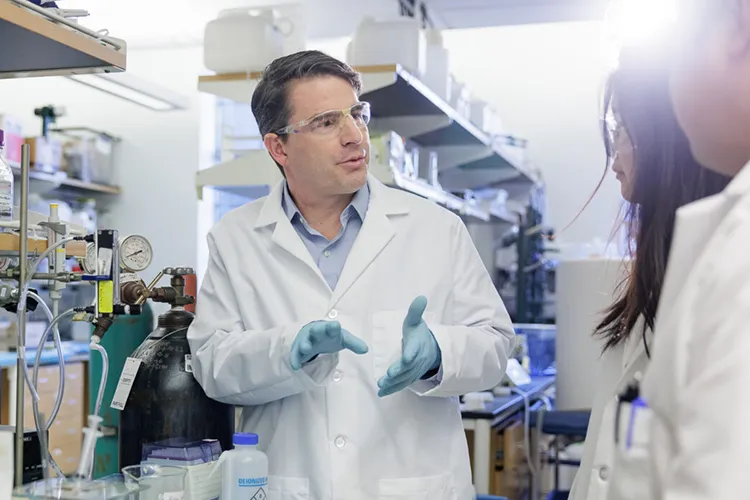
Can we make drinking water safer?
Trusted Tap, a new program from WashU’s Center for the Environment—with collaboration from McKelvey Engineering, the School of Public Health, the Sam Fox School, and the Skandalaris Center—provides the testing and information people need to ensure they have clean water.
Grounded in global community
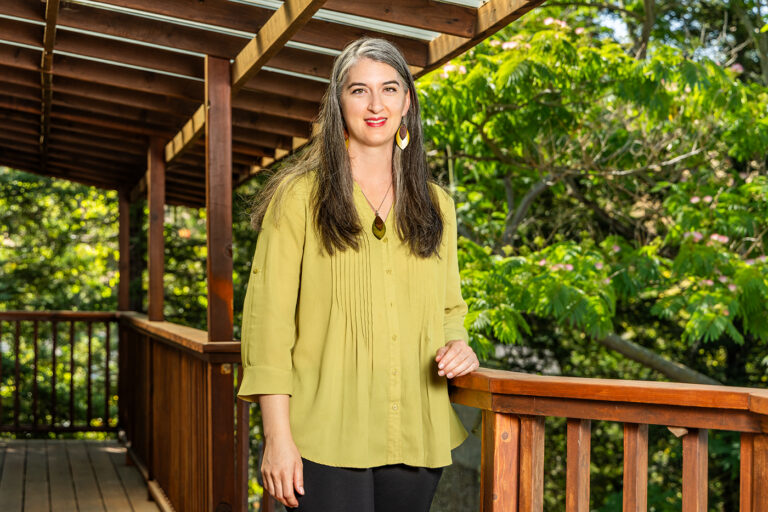
Claudia Romeu, AB ’08, grew up in Puerto Rico, where she was raised with strong values, including a deep sense of social responsibility toward others. At the same time, her upbringing was shaped by a relative lack of cultural diversity. Studying social anthropology at WashU helped open her eyes to other ways of living and the breadth of human experience.
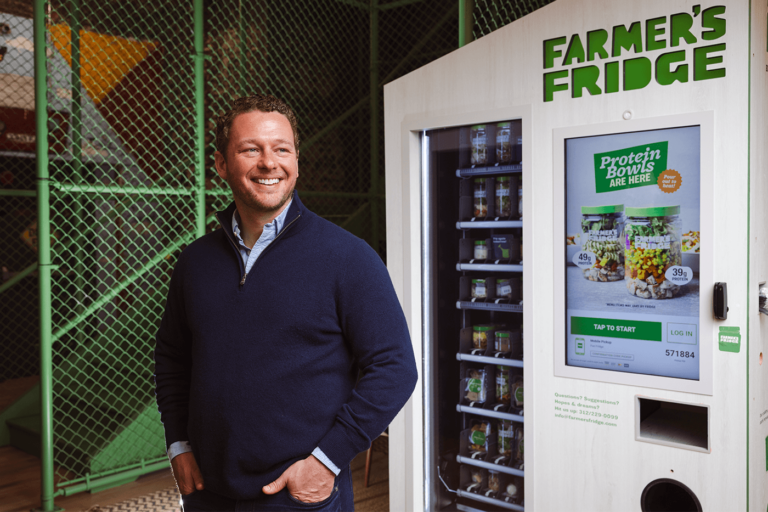
Revolutionizing nutrition: The startup transforming vending machines with healthy choices
Back in 2013, Luke Saunders, AB ’10, founded Farmer’s Fridge, a start-up with a mission to make healthy food more accessible. Today, that company operates in more than 2,000 locations and has served 13+ million meals from its vending machines nationwide.
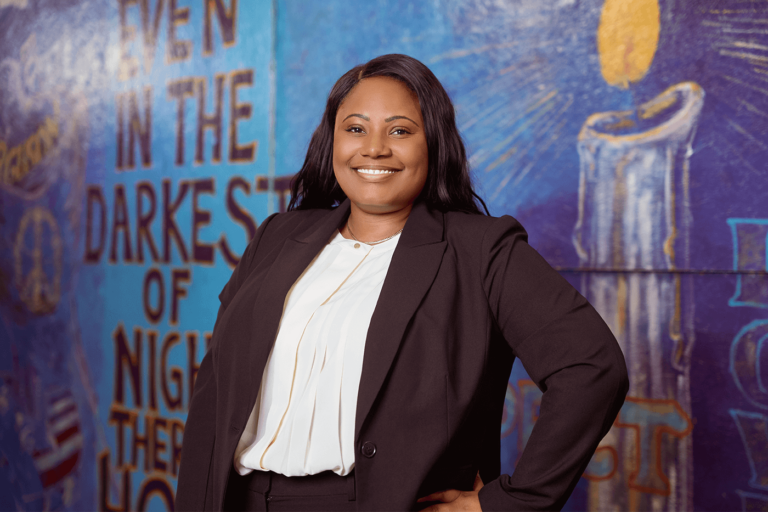
Building healthier communities
Growing up in the City of St. Louis, Doneisha Bohannon, MPH ’14, witnessed how neighborhoods shape health and opportunity. This upbringing, combined with her undergraduate studies in geography and sociology, motivated her to address disparities in her community.
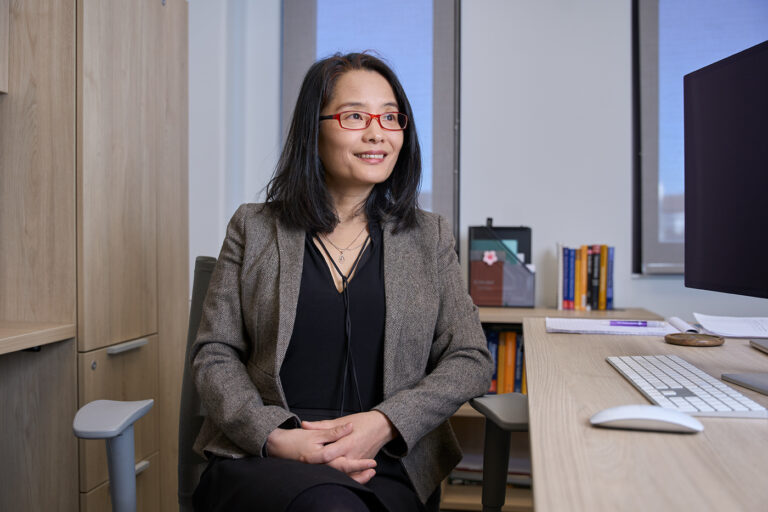
At the intersection of data, climate, and human health
In 2024, Bo Li joined Arts & Sciences as the Stanley A. Sawyer Professor in Statistics and Data Science. Her professorship — coming soon after the department’s formation — signals WashU’s deepening commitment to high-impact, transdisciplinary scholarship.
Meet more WashU changemakers
Greater Access

Healthier Lives

Future-Ready Leaders
How can one person make a difference and stay connected?

Give


Connect

Reunite